
Patrick Schlesinger
-
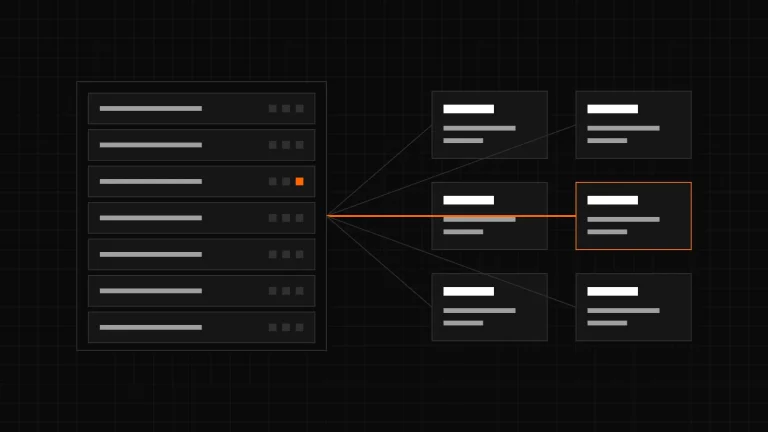
Redis for hosting providers: one instance per customer
Why hosting providers should give each customer a Redis instance of their own, what it needs, and how CachePilot Server for ISPConfig provides it.
-
Page cache and WooCommerce: what must never be cached
What a page cache must never store in WooCommerce, how filters and tracking parameters enter the key, cart fragments, price purges and the 12 hour…
-
Redis object cache for WordPress: what it does and when it pays off
What a Redis object cache does for WordPress, when it pays off, what it needs and how to avoid shared databases, bad flushes, full memory…
-

The CachePilot beta is open
The CachePilot beta is open to businesses: register, confirm by e-mail, get approved, download the plugin and send feedback. Free for the whole beta.
-

From 19 to 15 modules: the history of CachePilot
From 19 to 15 modules and from 54,500 to 24,250 lines: how CachePilot was started in February 2026 and rebuilt in three days in November…
-

CachePilot 1.4.1: zero-config Autopilot
CachePilot 1.4.1 finds Redis on activation and starts Autopilot without a wizard. New: safety check, weekly report, redesigned admin, German translation.
-
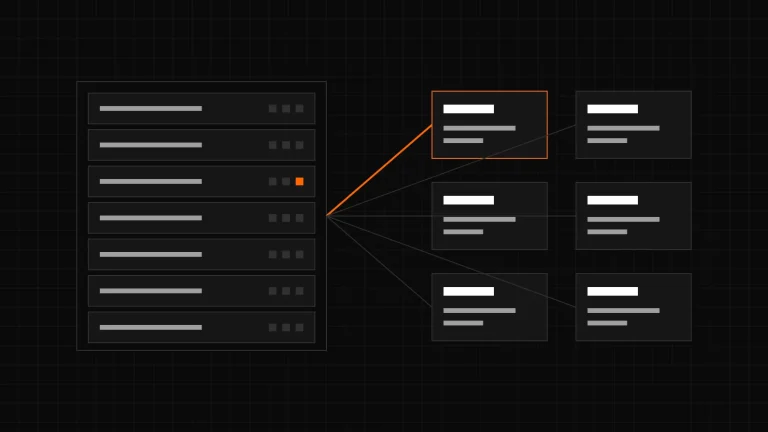
CachePilot Server for ISPConfig
CachePilot Server for ISPConfig 1.0.0 and 1.1.0: customers create their own Redis instances in the panel, with passwords, limits and live figures.
-
CachePilot: the start
CachePilot is a Redis object cache for WordPress that configures itself. Its first commit in the current repository, 6735cf9, is dated 9 February 2026 and…